Hampshire and Isle of Wight Butterfly and Moth Society
Hampshire and Isle of Wight Butterfly and Moth Society
Silver-spotted Skipper at The Dongas (Twyford Down). I recorded a single Silver-spotted Skipper in a patch of Devil's-bit Scabious on The Dongas transect this afternoon - my second there in three weeks. Unfortunately I hadn't taken a camera and there was no way it was going to let me get close with a phone! Analysis of historical transect records suggest that this species hasn't previously been reported from this site. The most likely source is the established colony on the other side of the M3 at St Catherine's Hill, so it may be that the hot weather has encouraged them to spread their wings. It will be interesting to see what happens next year. [Posted by Rupert Broadway]
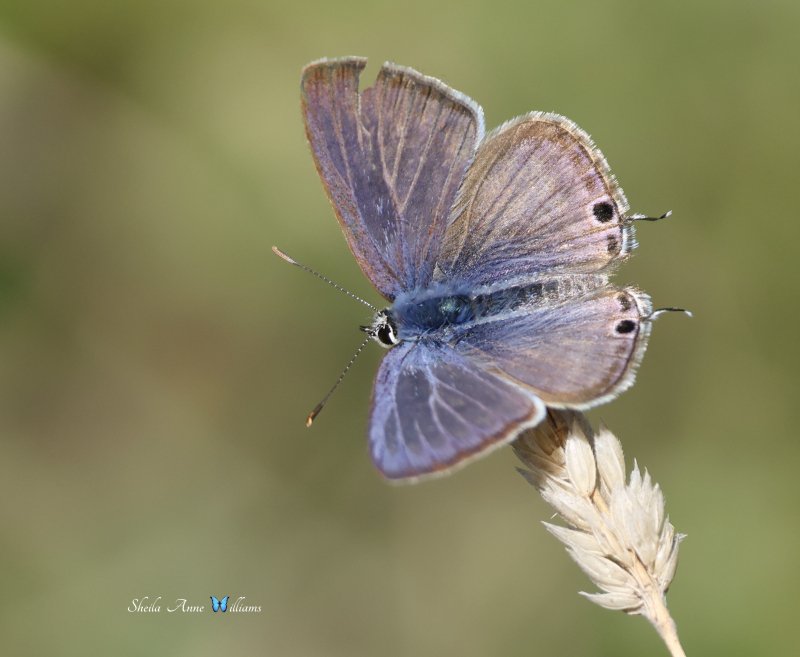
Longevity of Long-tailed Blue. I have named this Long-tailed Blue ‘Chippy’ because of the chip out of its right forewing. To my knowledge he has been present at the exact same location on Portsdown since the 8th August making him more than 17 days old, and if, as I suspect, he is a primary migrant, maybe a week or two older still? I have watched him virtually every day since and he has been staying loyal to the same two or three look out posts that have avoided trampling from the many visitors, from where he sees off any intruders into his airspace. Chippy has appeared in many, many social media posts, especially on Facebook, delighting visitors from as far afield as Cornwall, Somerset, Lincolnshire, Durham and even Scotland. A real superstar butterfly that has added a new species to many enthusiasts life lists. [Posted by Mark Tutton]

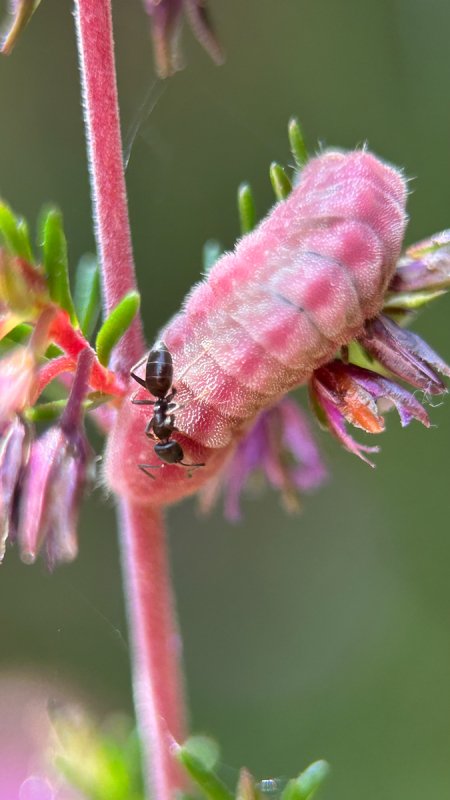
A new Holly Blue foodplant!. Well done Naomi Addleton on finding a Holly Blue larva feeding on Erica cinerea (Bell Heather) in the New Forest. This is the first record of the use of this foodplant in the UK. Just look how pink the larva is - perfectly matching the plant! And a Lasius ant to boot! Photos taken on 17th July. [Posted by Pete Eeles]
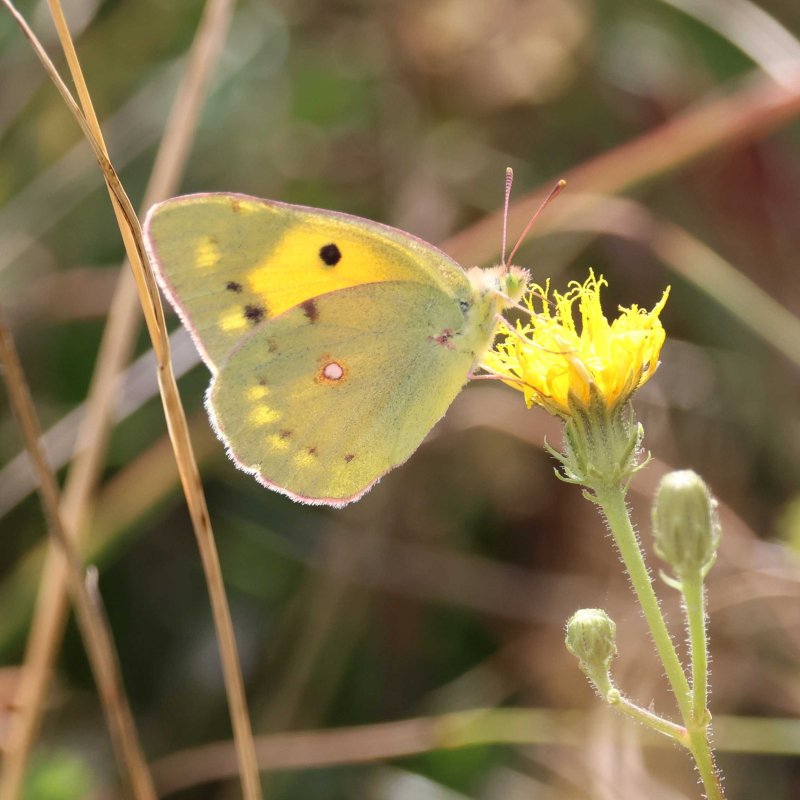
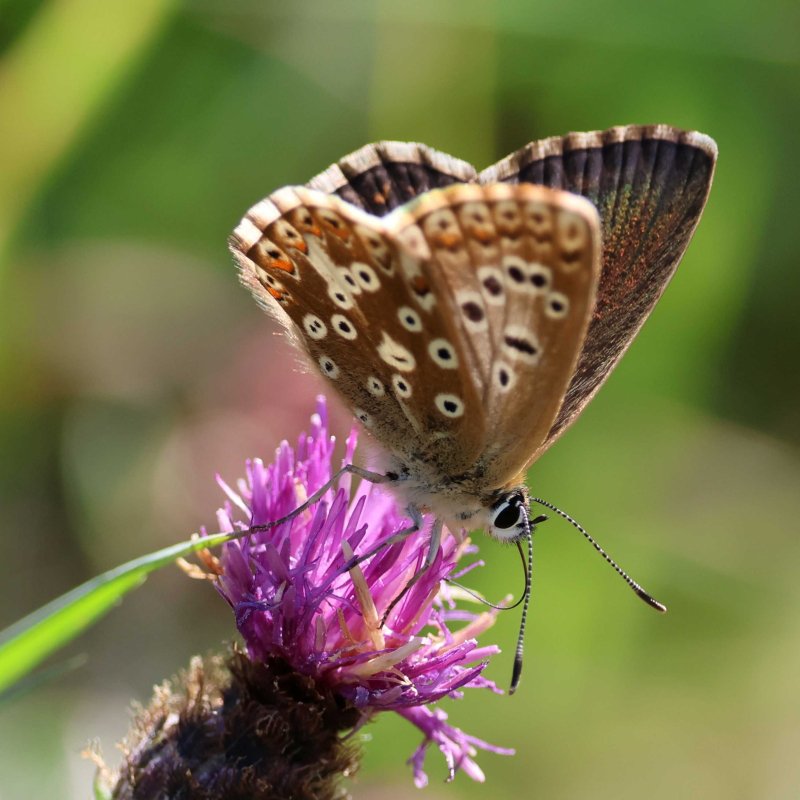
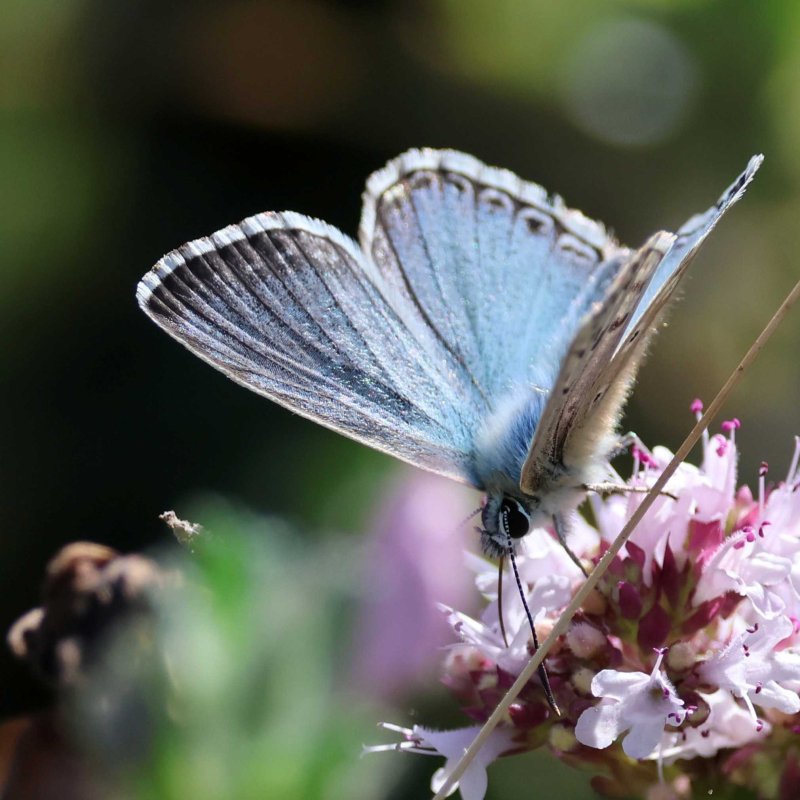
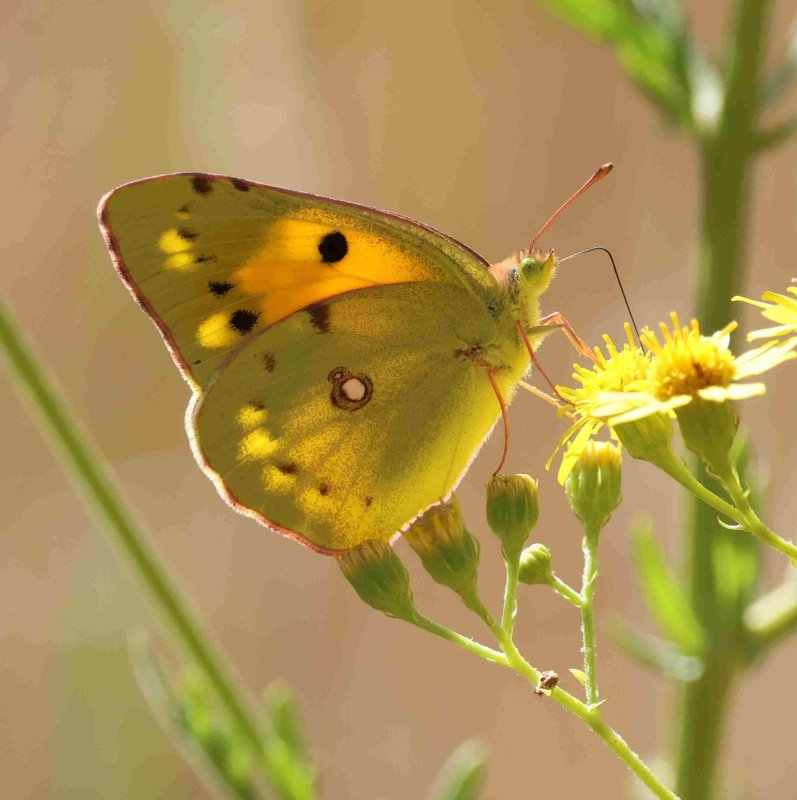
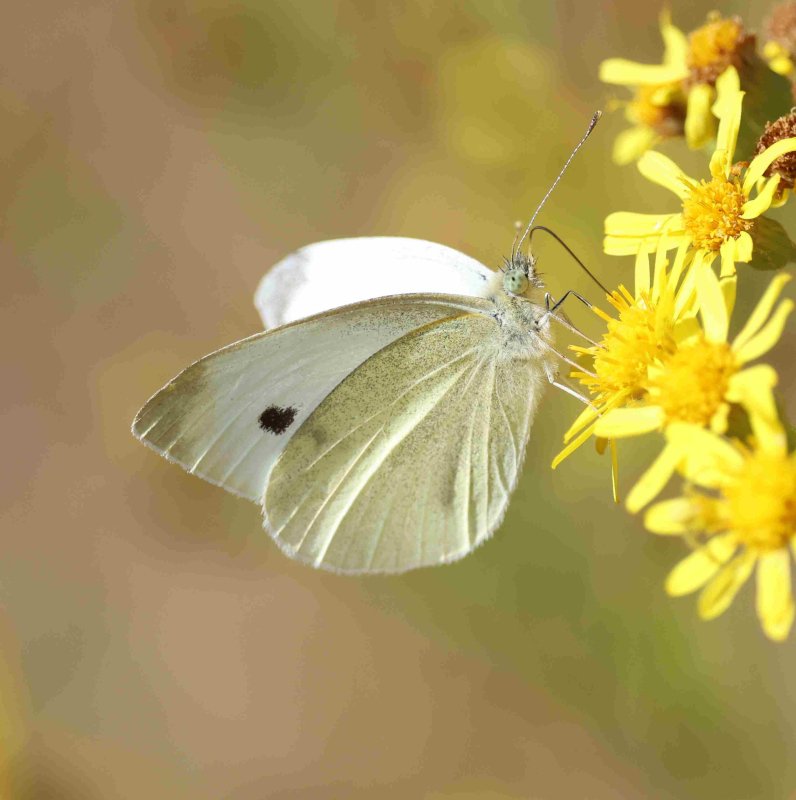
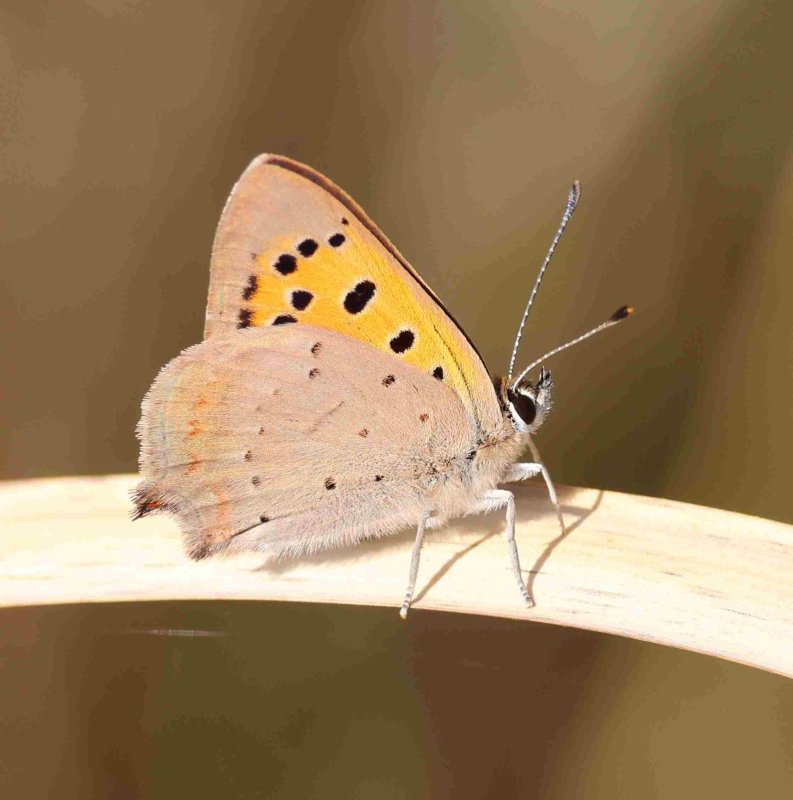
Yellows and Whites at Lakeside Country Park. In a sunny field corner at Lakeside Country Park, roughly 20m square, and filled with ragwort and tansy, a mixed host of Clouded Yellow (at least six) and Small White (at least a dozen) were gaining the attention of passers-by. In the mix too were three female Common Blue, two Holly Blue, several Small Heath, one tired Meadow Brown and a sparkling Small Copper. [Posted by Kevin Freeborn]
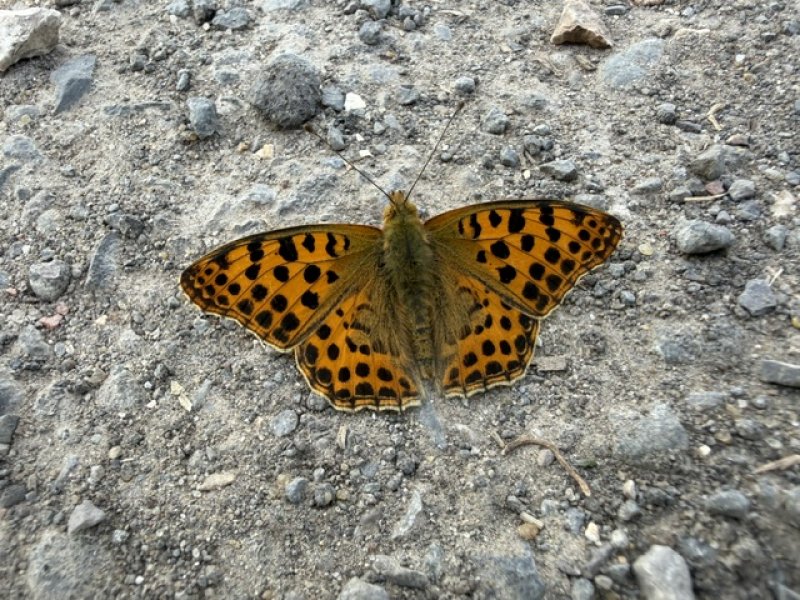
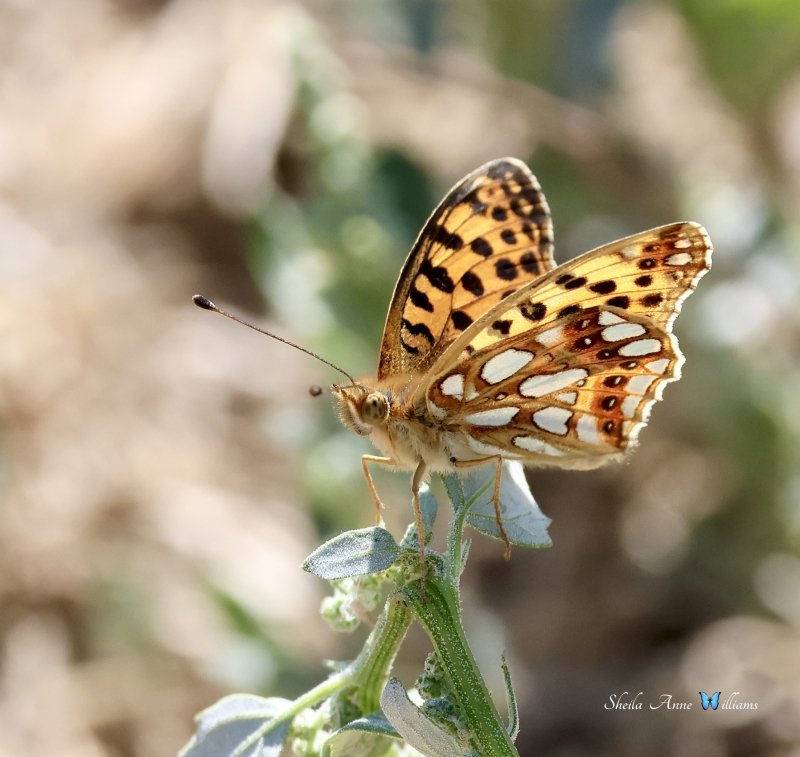
Queen of Spain Fritillary. Monk Sherborne is just 10 miles from my house, so no excuse for not seeking out the Queen of Spain Fritillary there. I see this species every year in Europe when guiding for Greenwings Wildlife Holidays, but seeing them on my local patch was special. And it was great to put lots of faces to names! Thought to be the offspring of a gravid female that had flown north, the hope is that the butterflies that have been seen so far will result in another brood here that will emerge in September. Time will tell, since the larval foodplants of Pansies and Violets seem to be in short supply, or perhaps the females will make do with Borage, a secondary foodplant used on the continent. [Posted by Pete Eeles]
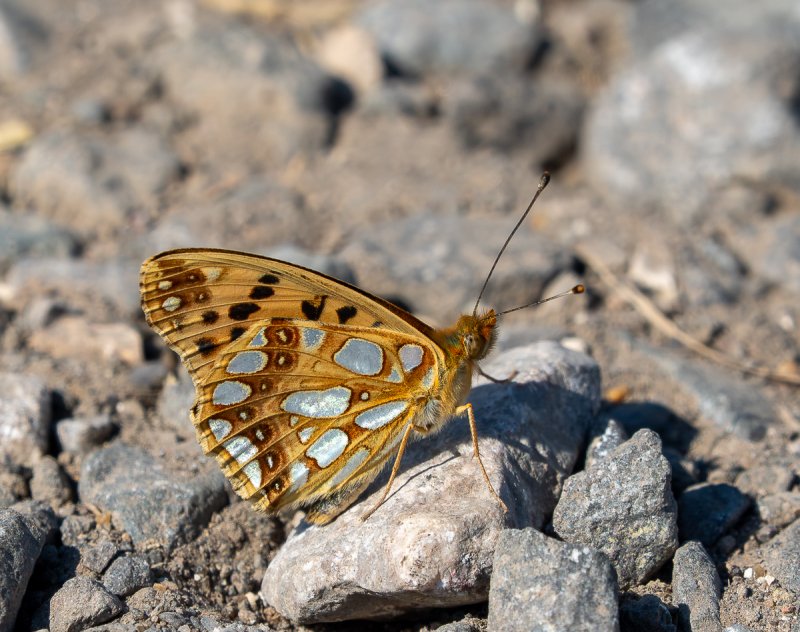
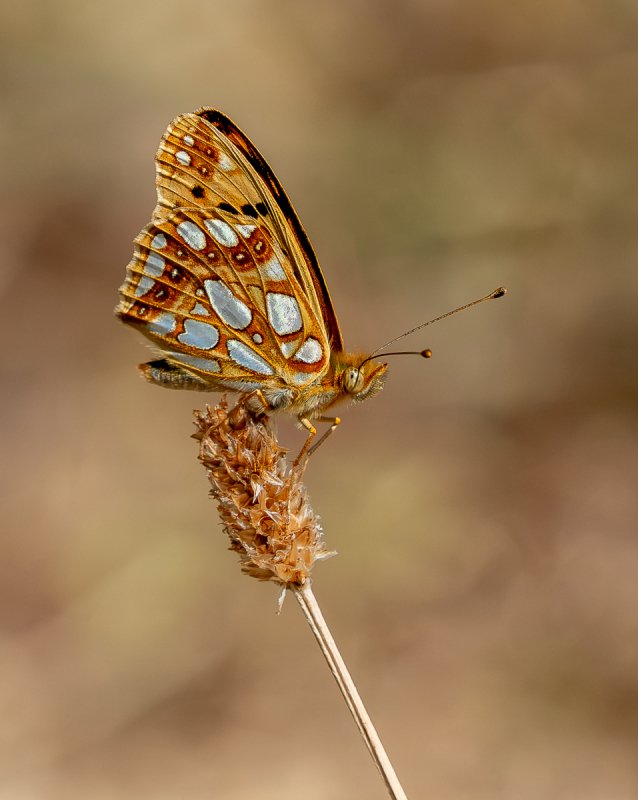
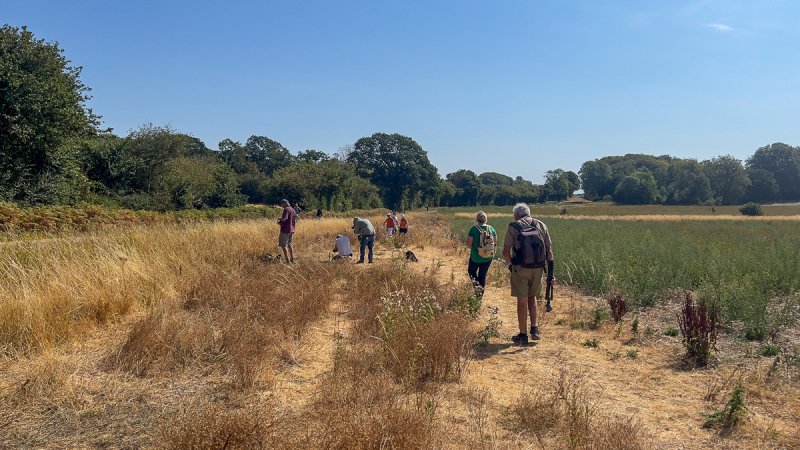
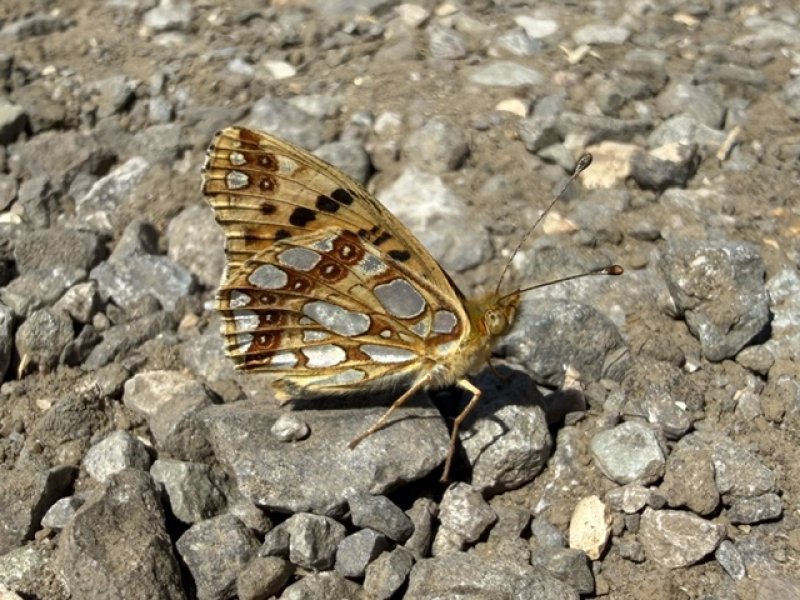
More Queen of Spain at Monk Sherborne. A couple of good friends have made several visits to see these beauties recently but family duties prevented my visit until today. I have seen this species a couple of times previously in Sussex but never in Hampshire so I was keen to see what the fuss was about and I was certainly not disappointed. Five or six males were patrolling the tracks having frequent tussles and good periods of rest in between. They were mostly perching on the track with there wings tightly closed in the hot sun but the old trick of carefully letting my shadow move over them caused one or two to open up up showing their gorgeous golden tones. The consensus was there were at least eight males present over the area but to my knowledge no females were spotted. [Posted by Mark Tutton]
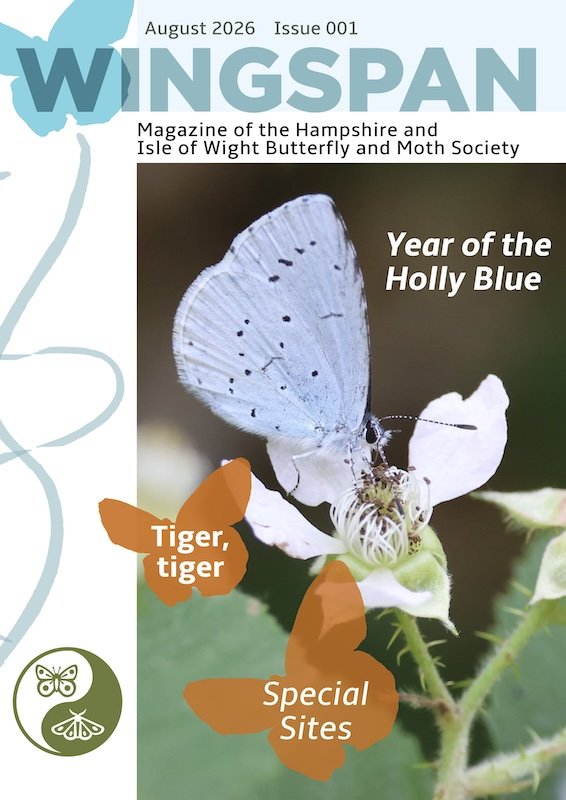
Wingspan!. We're delighted to announce the publication of the first edition of Wingspan - the magazine of the Hampshire and Isle of Wight Butterfly and Moth Society! We do hope you enjoy it and welcome any feedback you may have, including suggestions for future articles. Many thanks to Kevin Freeborn (editor), Dan Powell (designer) and Rosemary Powell (artworks) for their significant contributions. [Posted by Pete Eeles]
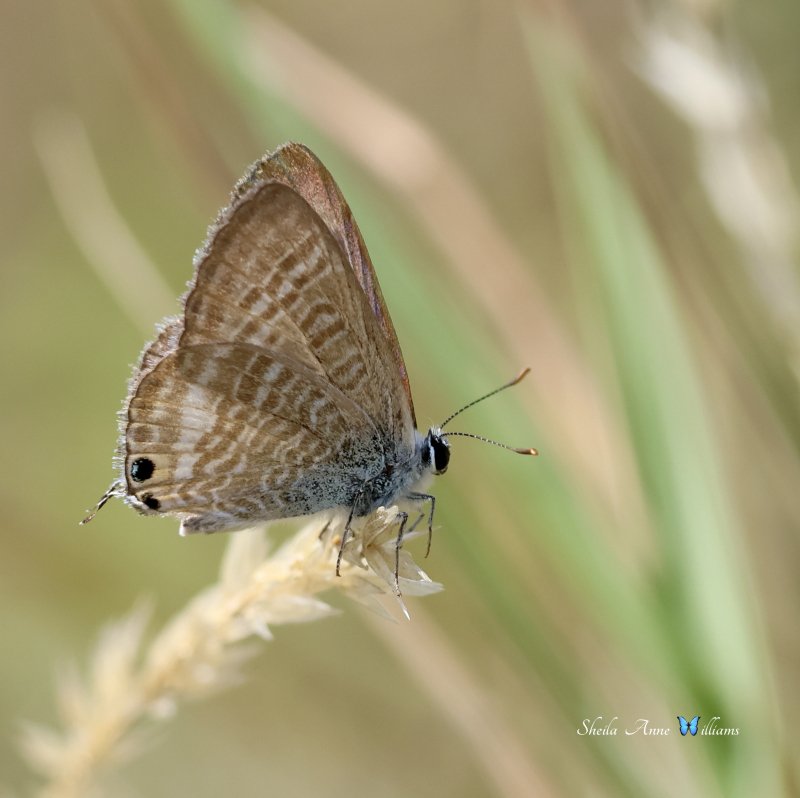
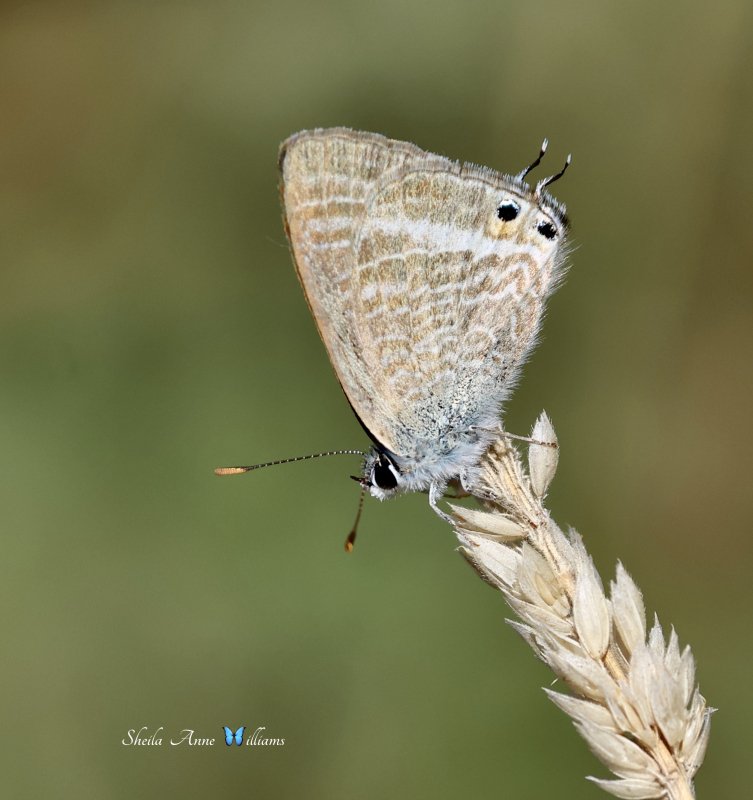
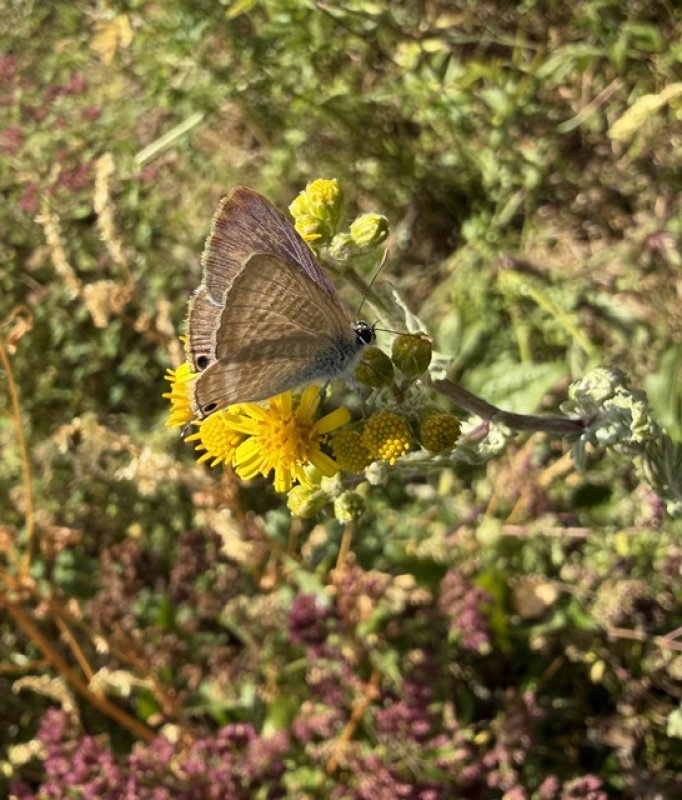
Long-tailed Blue. As Mark mentioned the LTBs are back on Portsdown Hill - I saw 3/4 as well as a mating pair on the top track. None were fresh but when one opened its wings it sparkled in all its glory displaying its long tails. It was good to see a few Clouded Yellow (of course like the Painted Lady they are everywhere this year) at Porchester Common including a fresh f. helice amongst lots of Common Blue and a few Brown Argus. [Posted by Sheila Anne Williams]
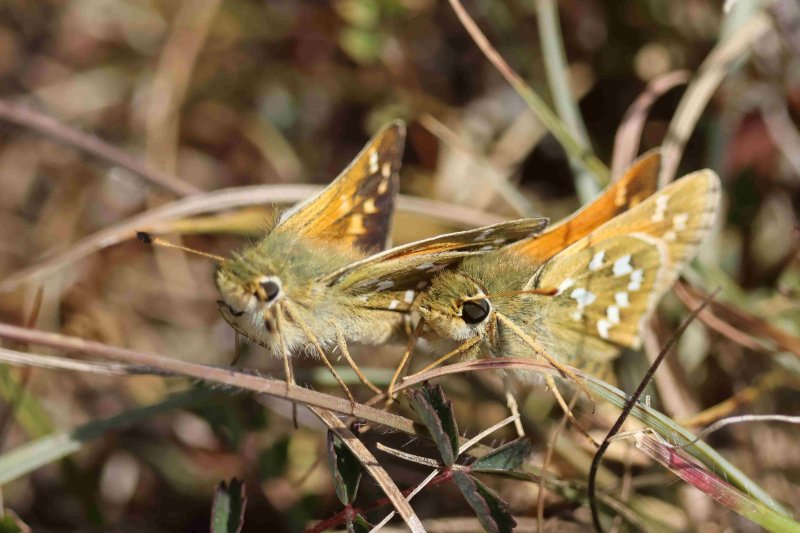
Old Winchester Hill. A thoroughly engrossing morning’s butterflying on OWHNNR, in warm sunshine on the south slope of the reserve, delivered 17 species in around two hours. Highlights were an amazing 26 Clouded Yellow, 15 Adonis Blue (all males), countless Chalk Hill Blues, and nine Silver-spotted Skippers (SSS), including a courting pair. I’d been photographing a male SSS, following it along the path as it moved from flower to flower, when suddenly it diverted down into the sward. I kept photographing and hadn’t noticed it had landed next to a female SSS which was hunkered down in the grass. The pair adopted a parallel position, gradually cosying into one another (pictured). The male was turning to join together with the female when they were buzzed by another SSS, after which all three flew away behind me and I lost sight of them. [Posted by Kevin Freeborn]
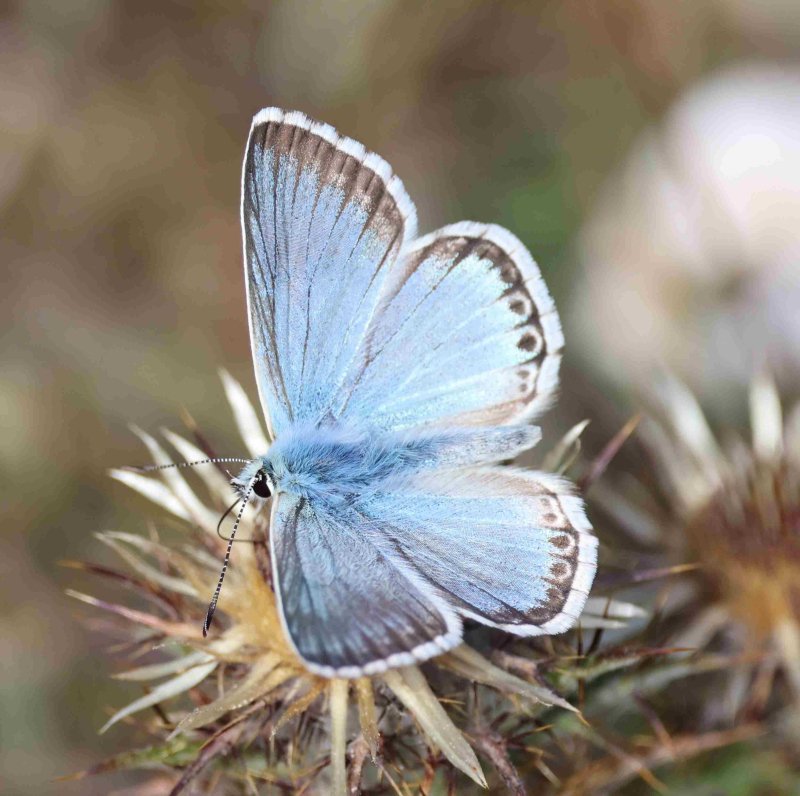
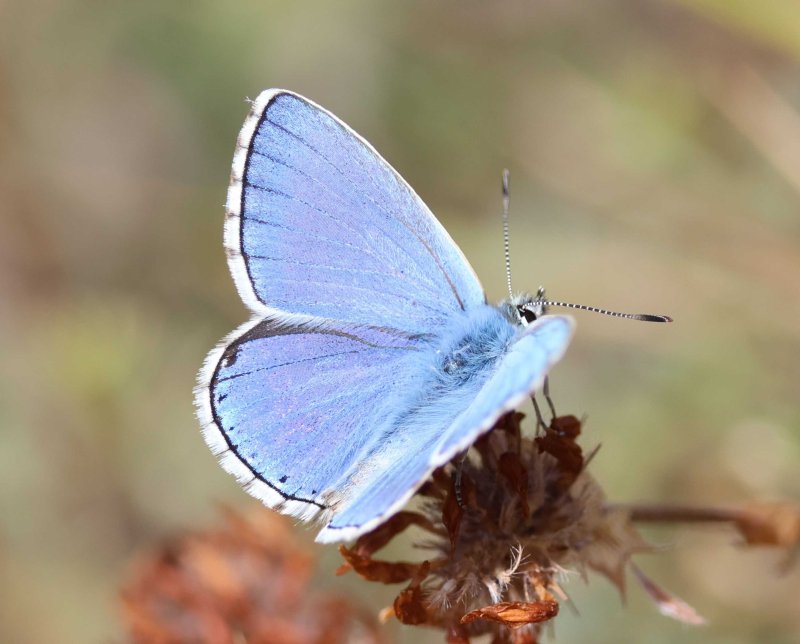
LTB back on Portsdown. Given the huge influx of migrant butterflies and moths this summer I have made regular visits along Portsdown Hill to check what has turned up. I have been checking half a dozen locations with Broad-leaved Everlasting Pea for LTB eggs to no avail but during one search I spotted several Clouded Yellow including a nice f.Helice. However my luck changed when I noticed a dark blue butterfly acting very much like a hairstreak - classic Long-tailed Blue jizz. It was very difficult to follow in flight but it did settle long enough to confirm its identity. I eventually located five, in two different areas, all males and quite worn so I have assumed that they are direct immigrants. Their behaviour reminds me very much of Duke of Burgundy as when two males meet they spiral up into the sky where they eventually disappear- only for the victor to return back to his original location. I think this bodes well for a nice emergence of fresh individuals later in the year? [Posted by Mark Tutton]
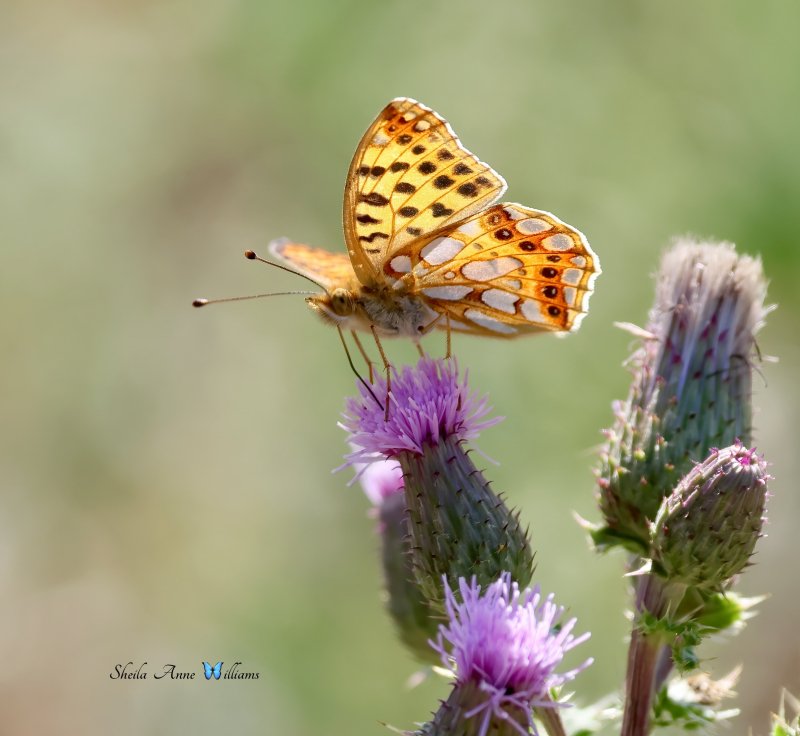
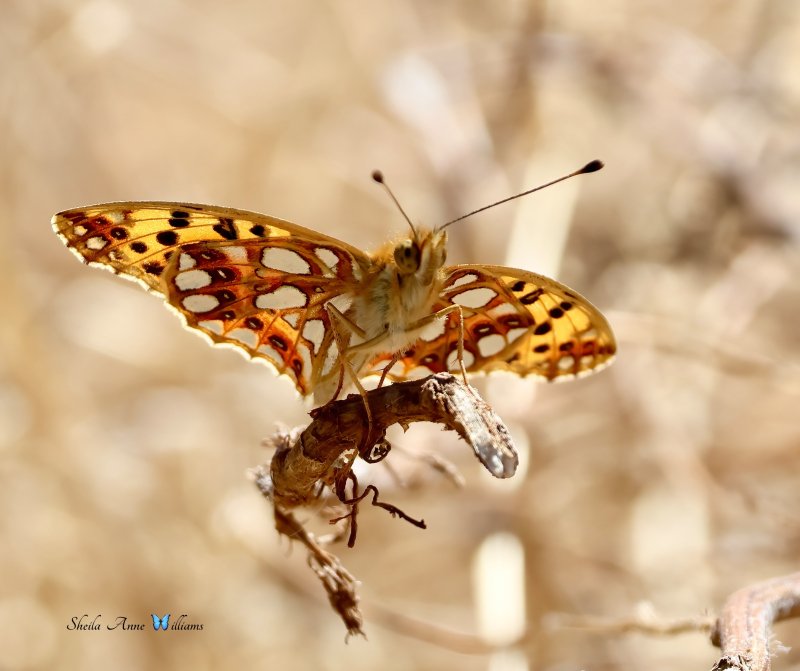
Queen of Spain - Monk Sherborne. Sadly I had to return from our Cumbria holiday five days early, but if not I would not have had the opportunity to see this beautiful butterfly in the Hampshire countryside. There were 2/3 spotted and all were in mint condition within a couple of large fields on the edge of the village, nectaring on Fleabane and Thistle. [Posted by Sheila Anne Williams]
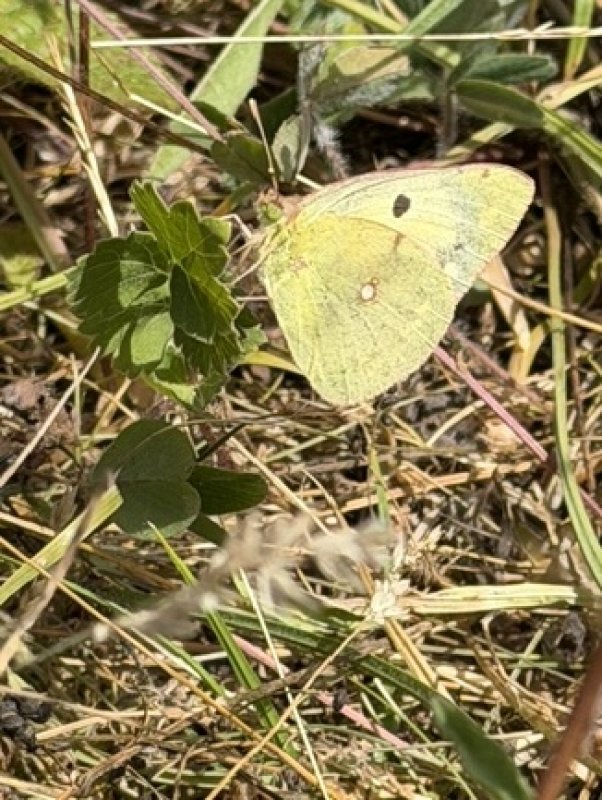
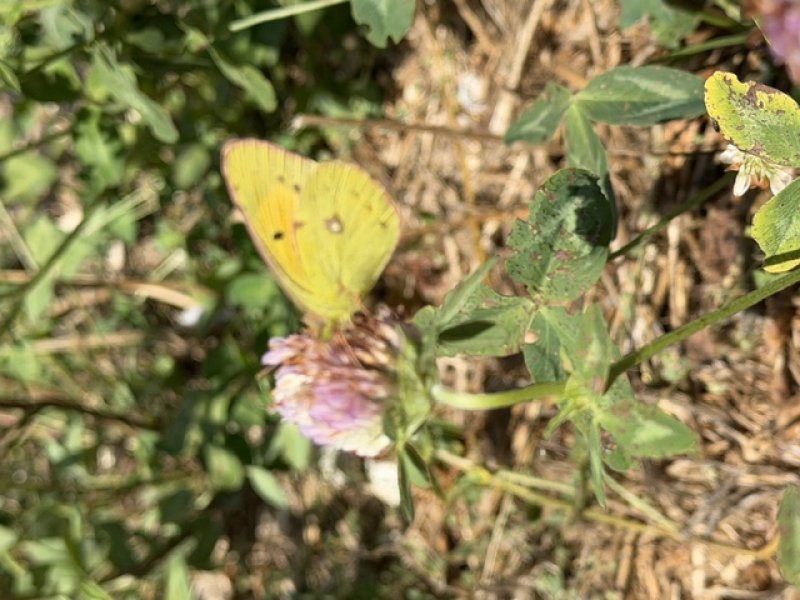
Clouded Yellow Explosion near Butser. After a tip off from a friend I visited a footpath near Butser that runs alongside a large field sown as a herbal ley. The extensive sowing of clover has attracted a huge number of butterflies including hundreds of whites and Common Blues. Most remarkable was the volume of Clouded Yellow. In the strip adjacent the footpath, approximately 60m wide and 400m long, I counted no less than 43 Clouded Yellows. Given the field was over 400m square I would guess there are several hundred present. I also counted at least ten Hummingbird Hawkmoth. Definitely a great year for migrants. [Posted by Mark Tutton]
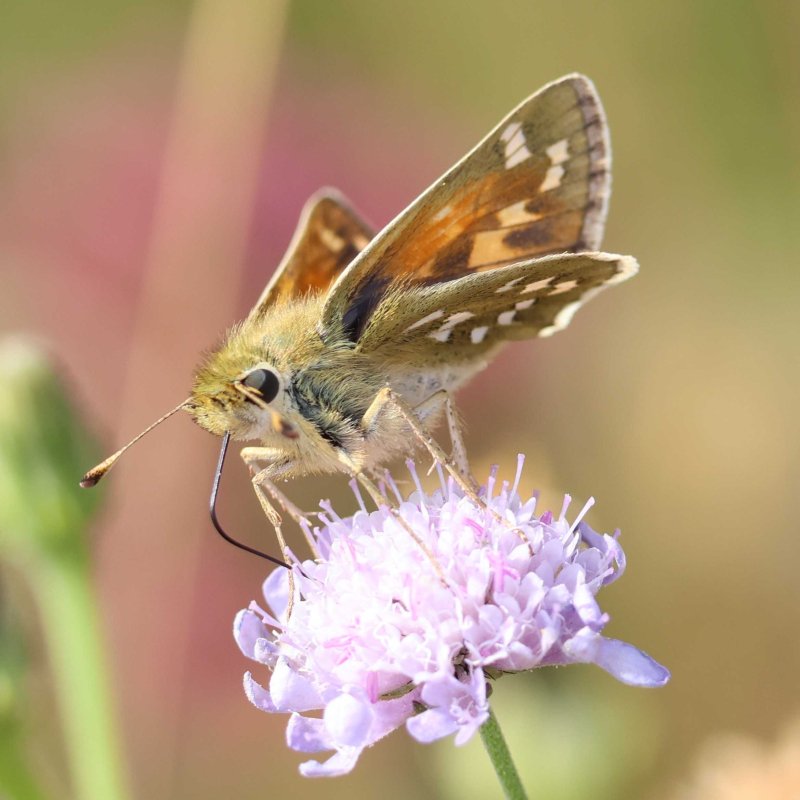
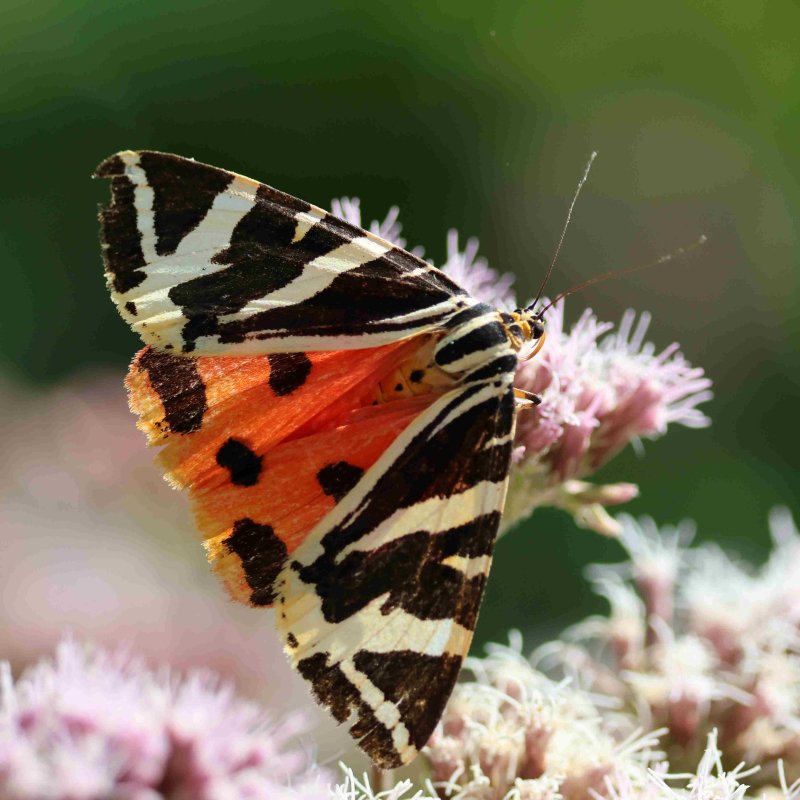
Finding Silver-spotted Skipper in the Meon Valley. Another exceptional butterflying morning out on the downs, this time at Beacon Hill. Again, lots and lots of blues, with Common Blue more than matching Chalk Hills. I had seven sightings of Clouded Yellow, two Humming-bird Hawk-moths, a Jersey Tiger Moth that was imbibing on Hemp Agrimony and, yes, four stunning Silver-spotted Skippers. They were in mint condition – is there a more beautiful August butterfly? [Posted by Kevin Freeborn]
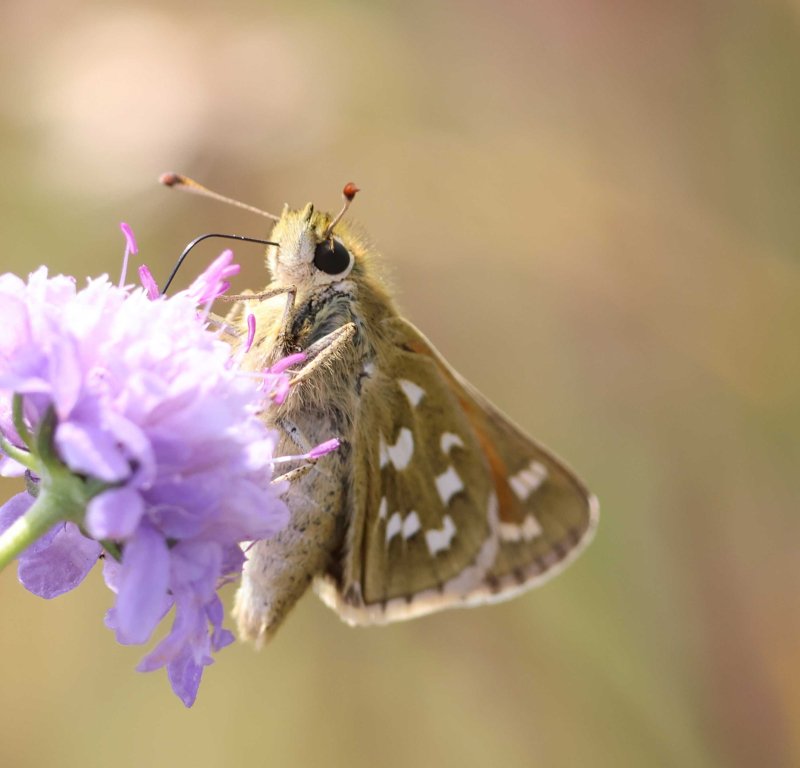
On the hunt for Silver-spotted Skipper. Having read Sheila’s post on BAMS earlier in the week, I thought I’d look in on St Catherine’s Hill. It was vibrant with butterflies and wildflowers, with an abundance of Meadow Brown and all the whites, and Chalk Hill, Common Blue and Brown Argus appearing in very good numbers widely across the reserve. Sadly though, in over two hours of looking, I didn’t find SSS. I clocked up 16 species and, after seeing several on the Dorset coast last week, I was happy to encounter four Clouded Yellow, my first of the year in Hampshire. [Posted by Kevin Freeborn]